

Pool Resurfacing in Plano, TX: Materials, Timeline, and What to Expect
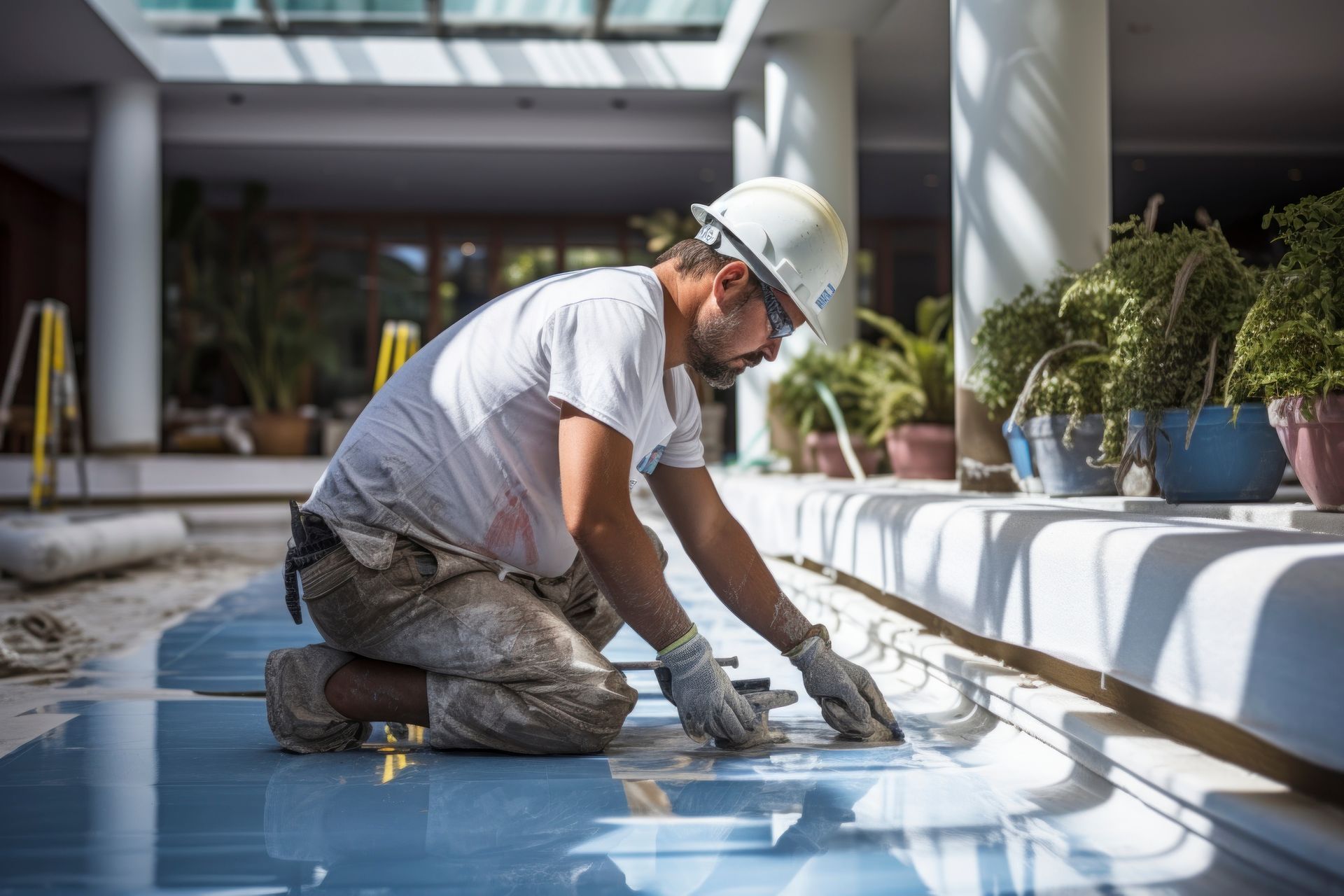
Pool resurfacing gives an aging pool a clean start without the cost of a full rebuild. For Plano homeowners, getting the material choice right matters as much as the timing. A Affordable Pool & Spa Svc Inc. has handled pool resurfacing projects across the North Dallas area for over 30 years, and the decisions homeowners face are usually the same: what material holds up best in a Texas climate, how long the work takes, and what to watch for going in.
Signs Your Plano Pool Is Ready for Resurfacing
The most common indicators are rough or chalky plaster that scrapes feet, visible crazing or staining that does not respond to chemical treatment, and plaster that has begun to separate or flake. Plano sits in Collin County, where clay-heavy soils expand and contract with seasonal rain and drought cycles. That movement puts stress on pool shells over time and can accelerate surface wear beyond what chemistry alone can manage. If your pool is between 10 and 15 years old and showing any of these signs, it is worth having the surface professionally assessed before minor wear becomes a structural issue.
Comparing Your Resurfacing Material Options
Standard Plaster
Plaster is the most widely used finish and the most budget-friendly entry point. In the Plano climate, with consistent summer heat and hard water, standard plaster typically holds up well for 7 to 10 years before showing wear. It requires more attentive water chemistry management than premium options and is more prone to staining over time.
Pebble Aggregate
Pebble finishes are more durable, more resistant to staining, and carry a natural texture that reads well in larger Plano backyard setups. The upfront cost is higher, but the lifespan, often 15 to 20 years with proper maintenance, makes it a cost-effective choice over the long term. It is also more forgiving in pools with hard water chemistry.
Quartz Aggregate
Quartz sits between plaster and pebble in both cost and durability. It offers a smoother finish than pebble, resists chemical erosion better than standard plaster, and is a good middle-ground option for homeowners who want improved longevity without the full premium pebble investment. Our team walks you through the specific tradeoffs for your pool's size, usage, and condition during the initial consultation.
What the Resurfacing Process Looks Like
Most resurfacing projects follow four phases: draining the pool and preparing the surface, addressing any structural repairs identified during prep, applying the new finish material, and refilling with chemistry balancing at the end. The full process typically runs one to two weeks depending on the finish type and the extent of any repair work required. Because the pool is out of service during that window, Plano homeowners most often schedule resurfacing in early spring or fall to avoid the peak swimming season.
Frequently Asked Questions About Pool Resurfacing in Plano, TX
How do I know if my pool needs resurfacing or a full renovation?
Resurfacing is the right approach when the pool structure is sound but the surface finish has worn beyond what cleaning or chemical treatment can restore. If you are also seeing equipment failures, significant tile loss, or structural cracking, those issues should be evaluated first. A Affordable Pool & Spa Svc Inc. inspects both the surface and underlying structure before recommending a scope of work, so you are not paying for more than your pool actually needs. Learn more about our pool remodeling services for Plano homeowners
Can I combine resurfacing with other pool upgrades at the same time?
Yes, and it often makes sense to do so. Since the pool is already drained and prepped for resurfacing, addressing tile, coping, or equipment at the same time reduces total downtime compared to scheduling those repairs separately. Our team can assess which upgrades are worth bundling based on the current condition of your pool.
How long does pool resurfacing last in the Plano, TX area?
Standard plaster typically lasts 7 to 10 years in a Texas climate with consistent water chemistry maintenance. Pebble and quartz aggregate finishes generally last 15 to 20 years. Brushing the surface in the first few weeks after application and keeping water balanced throughout the season are the two most important things you can do to extend the life of any finish.
Ready to restore your Plano pool's surface? Contact our team to schedule a free estimate. Our licensed technicians (TDLR #433) will assess your pool and recommend the right finish for your timeline and budget. You can also reach us directly at (972) 416-4487.




